Hearing Care That Puts You First: A Patient’s Story of Connection and Confidence

|
Rachel Appleton
|
|
3 Min Read

Being able to pick up the phone and hear the voice of someone you love can make a meaningful difference to your day. So can following a conversation at work or enjoying time with family and friends, even in busy places.
When you’re living with hearing challenges, your care should reflect what matters most to you. You deserve guidance from someone who listens carefully, understands what you want to achieve, and works alongside you as your needs change.
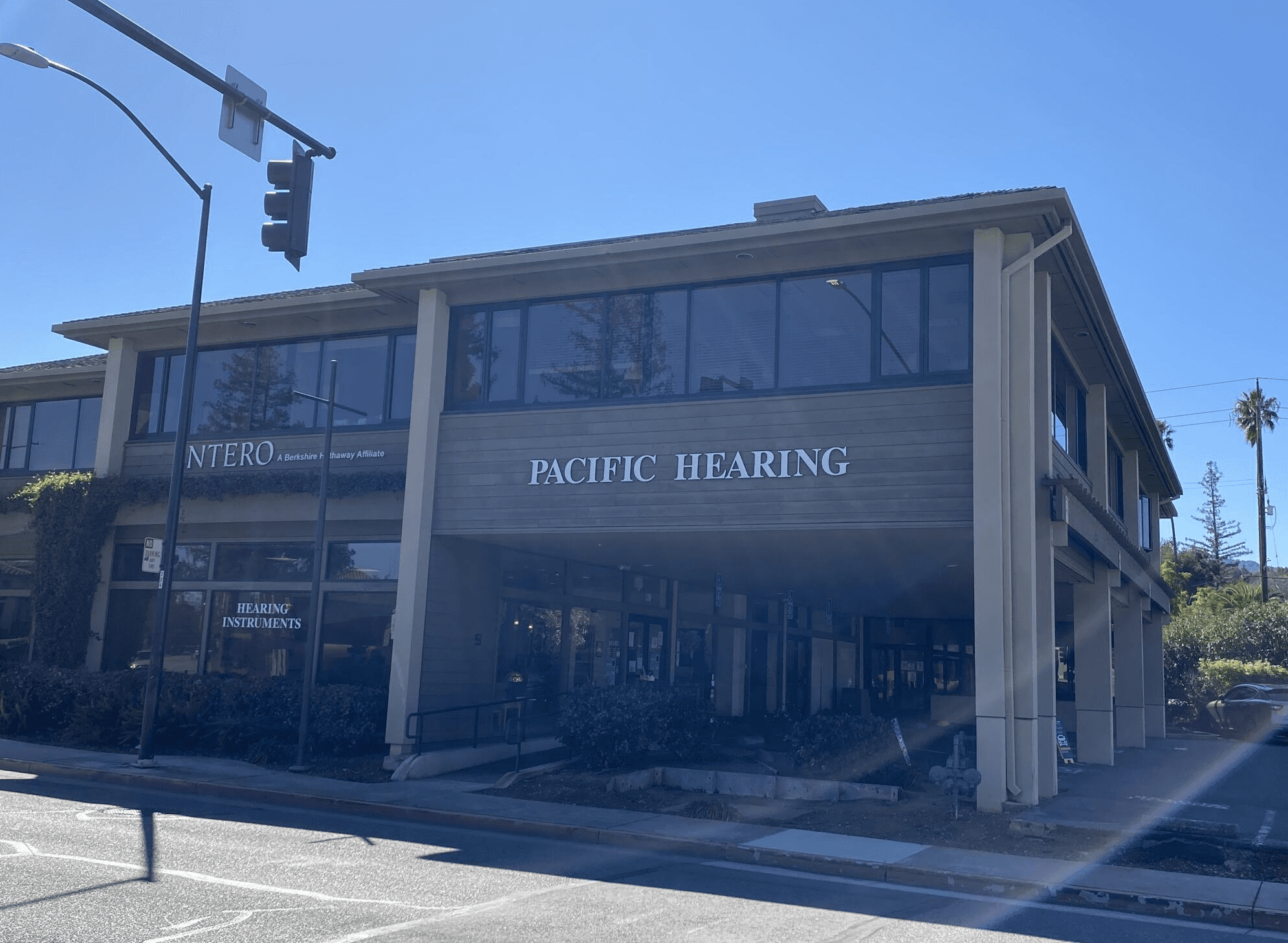
One patient at Pacific Hearing Service summed up these sentiments while recalling their first visit to our clinic: “I immediately had confidence that this was the place for me.”
Their experience is a reminder that trusted hearing care is about more than better hearing; it’s about building a partnership that helps you stay connected to the people and experiences that make life meaningful.
Finding the Right Partner in Hearing Care
You might first notice changes in your hearing when you miss a few words in conversation. Perhaps you find yourself asking colleagues to repeat themselves or piecing together what someone said from the parts you caught.
For this patient, those missed moments prompted action in their mid-30s. They shared that they had first addressed their hearing challenges about 30 years earlier, so by the time they visited Pacific Hearing Service, they already had extensive experience with audiologists and hearing aids.
They knew what they wanted from their next provider: “I was looking for an audiologist who was knowledgeable [about] options and would listen to my needs and be willing to stick with me to find a solution.”
You deserve that same opportunity to explain what’s working and what you’d like to improve. Whether you’re exploring hearing care for the first time or reconsidering your current devices, your experiences should help shape the conversation.
Modern Audiology Unleashes Mobile Freedom
If you rely on hearing aids every day, you know how integral hearing technology can become to your routine.
Hearing aids were an essential part of our patient's lifestyle. The first pair they purchased from Pacific Hearing Service brought a particularly meaningful change: They could use their mobile phone for calls again, rather than relying on texting.
In their words: “The first hearing aids I purchased from Pacific Hearing were a life changer for me. They enabled me to use my mobile phone as a phone, not just a texting machine.”
Think about what that kind of freedom could mean in your own life. You might want to talk through a work question, coordinate a volunteer activity by phone, or simply hear a family member’s voice when they call with news.
The difference extended across all three of those realms for this patient: “The ability to talk on the mobile phone was a massive change for me, in business, my volunteer work, and my personal life,” they said.
Your hearing technology should support the ways you communicate and the life you want to lead. At Pacific Hearing Service, our recommendations take into account your lifestyle, listening environments, and budget, with options from leading hearing aid manufacturers. Compatible devices may also connect with smartphones to make everyday communication easier.
If phone calls are important to you, bring your phone to your appointment and share the situations where you’re having difficulty. You can discuss compatibility, ease of use, and features that may suit your needs. Your hearing needs and phone model can help determine which options are right for you.
Collaborative Care with Dr. Clark
You know your daily listening experiences better than anyone else. When you combine that insight with your audiologist’s clinical knowledge and expertise, you create a strong foundation for personalized hearing care.
Ongoing conversations with Dr. Deborah Clark became one of the most valuable parts of our patient’s experience: “I have an open, ongoing dialogue with Dr. Clark where we have shared information both ways and have learned from each other. This is the kind of relationship I seek in a medical professional.”
That’s a useful example of what to look for in your own hearing care. You should feel comfortable saying when a setting sounds wrong or you’re unsure how to use a particular feature.
It’s also important to share changes in your routine. A new job, a different phone, or more time spent in group settings can introduce listening demands you haven’t encountered before.
Mark National Protect Your Hearing Month This October
October is National Protect Your Hearing Month, an opportunity to think about the hearing you rely on and the steps you can take to protect it. If conversations or phone calls have become harder to follow, a hearing assessment can help you understand what may be contributing to those changes.
At Pacific Hearing Service, your evaluation includes an examination of your ears and assessments designed to understand how you hear. You’ll then have the opportunity to discuss what the findings mean for you and how they relate to your hearing goals.
Ready to take the next step? Contact our team today to schedule an appointment or request a callback.
Frequently Asked Questions (FAQs)
Q: How do I know whether I should schedule a hearing assessment?
A: If you’re missing words, asking people to repeat themselves, or finding conversations harder to follow in noisy places, it may be worth scheduling a hearing assessment. Difficulty understanding speech over the phone can also be a sign that your hearing has changed.
You don’t need to decide whether you need hearing aids before making an appointment. A hearing assessment will help clarify how you’re hearing, and discussing your everyday experiences with an audiologist can help you understand which options may best support your needs.
Q: What if my current hearing aids are no longer meeting my needs?
A: Start by telling your audiologist what situations you are finding difficult; this will give them a clearer picture of what may be contributing to the problem.
Your devices may simply need cleaning, repair, updated programming, or a review of their features. Your audiologist can also reassess your hearing and discuss whether different technology might better support your needs today.
Q: Why are ongoing appointments important after a hearing aid fitting?
A: Your needs may change as you use your hearing aids in different environments or as your lifestyle and hearing evolve. Follow-up appointments allow your audiologist to fine-tune the programming, check comfort and performance, and help you use connectivity or other features. Regular communication keeps your care aligned with what matters to you.
Source: